Why the Right Sportswear Matters
Choosing sportswear can feel surprisingly difficult. You need comfort, mobility, breathability, and reliable support. However, each sport demands different clothing features. Under Armour offers practical options for performance-focused athletes. Still, your activity and conditions should guide your final choice.
Common Problems Athletes Face
Poor Fit Can Limit Movement
An uncomfortable fit can quickly affect your performance. Tight clothing may restrict movement during fast actions. Meanwhile, oversized pieces can feel bulky during intense activity. For example, football players need freedom across their shoulders and legs. Players in 7 on 7 football also change direction frequently. Therefore, flexible fabrics and athletic cuts can improve movement.
Sweat Can Become a Major Distraction
Intense exercise naturally creates sweat. However, heavy clothing can trap moisture against your skin. Poor ventilation can make that discomfort even worse. Breathable fabrics can help manage this problem. Moisture-wicking materials also move sweat away from your body. As a result, you can stay comfortable while focusing on performance.
One Outfit Does Not Suit Every Sport
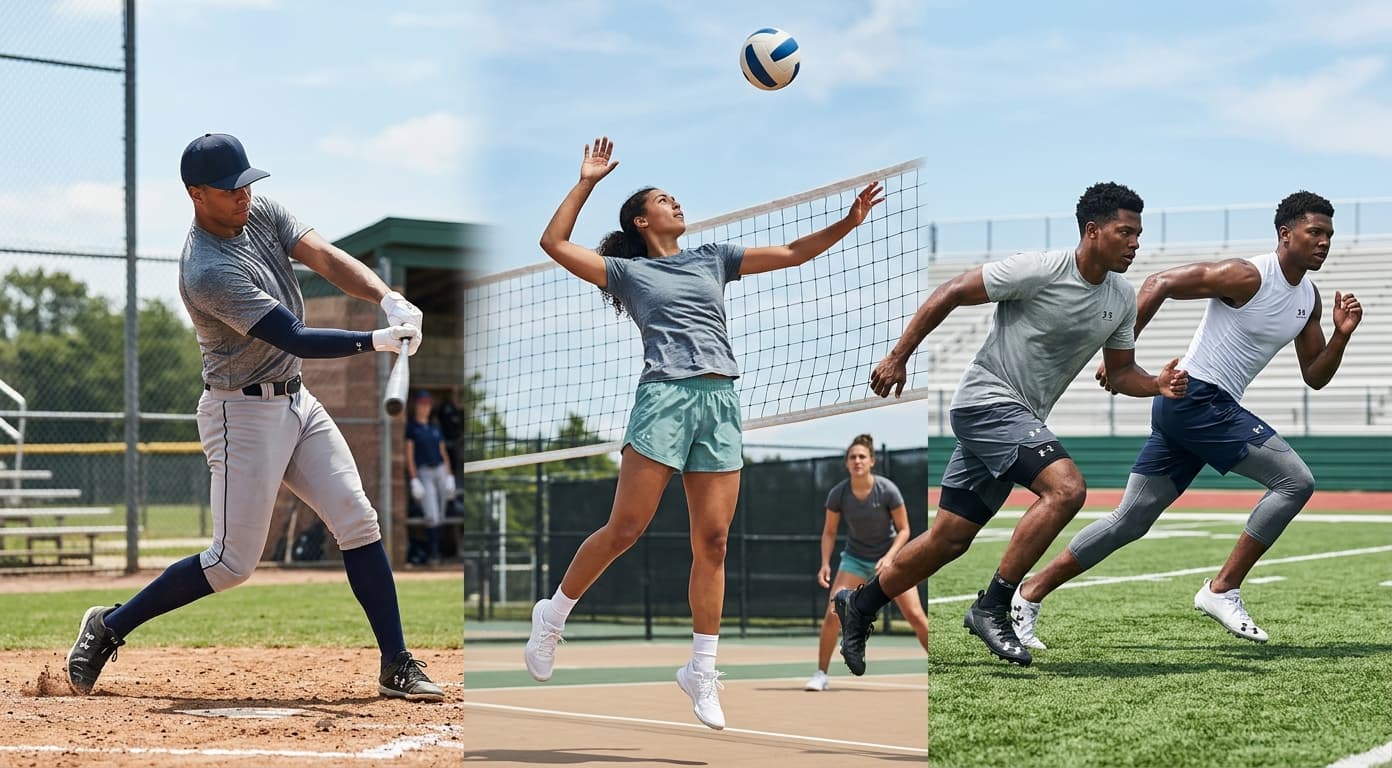
Different sports require different types of movement. Baseball players need mobility through their arms and shoulders. Volleyball players need flexibility for jumping and reaching. The same principle applies to equipment. Even a baseball bat grip can influence comfort. However, your clothing must also support repeated swings and quick movements.
Understand What Your Sport Requires
Consider Movement First
Start by identifying your sport's main movements. Baseball involves swinging, throwing, running, and sliding. Volleyball includes jumping, diving, reaching, and lateral movement. Likewise, 7 on 7 football requires repeated sprinting and sharp direction changes. Therefore, lightweight clothing often works better than heavy layers. Your clothing should move naturally with your body. Look for stretch materials when your sport involves frequent movement. Also, avoid unnecessary details that could interfere with performance.
Think About the Weather
Weather can dramatically change your clothing needs. Hot conditions require lightweight and breathable fabrics. Cooler weather may require layered clothing. Outdoor conditions can also change throughout your session. Therefore, consider how quickly temperatures might shift. A lightweight outer layer can provide useful protection without excess bulk. Additionally, breathable base layers can manage moisture underneath. This combination can help you stay comfortable during longer outdoor sessions.
Choose Fabrics That Support Performance
Look for Moisture Management
Moisture-wicking fabrics can help athletes manage sweat. These materials pull moisture away from your skin. They also encourage faster evaporation during activity. However, your fabric choice should match your activity. Lightweight materials can suit summer training. Meanwhile, warmer fabrics can work better during cool-weather practice.
Prioritize Stretch and Recovery
Stretch fabrics can improve your freedom of movement. They allow clothing to follow your body during athletic movements. Good recovery also helps garments maintain their shape. This feature matters during activities like volleyball and football. A volley short should allow unrestricted leg movement. Similarly, football shorts should support sprinting without feeling restrictive.
Build a Practical Sportswear Rotation
Start With Versatile Basics
You do not need a huge sportswear collection. Instead, build a rotation around versatile essentials. Start with performance shirts, comfortable shorts, and lightweight layers. Also, choose suitable footwear for your main activities. Neutral pieces can work across different training sessions. This approach makes preparation easier before practice or competition. For instance, one breathable shirt can work for gym sessions. It can also suit outdoor practice and casual athletic activities. Likewise, comfortable shorts can support running and volleyball.
Add Layers When Necessary
Layering gives you greater control over changing conditions. Start with a breathable base layer. Then, add a lightweight mid-layer when temperatures drop. Finally, use an outer layer during wind or rain. Remove layers as your body warms up. This simple system can prevent overheating and maintain comfort.
When a Premium Option Makes Sense
Invest in Performance-Focused Clothing
Premium sportswear can offer useful advantages. Better construction can improve durability and overall comfort. Advanced fabrics may also improve moisture management and flexibility. Under Armour builds sportswear around performance and active movement. Its apparel can suit athletes seeking practical training clothing. It can also work well for competitive activities. However, you do not need to replace your entire wardrobe. Instead, upgrade the pieces you use most frequently. Start with shirts, shorts, or layers that receive heavy use.
Focus on Long-Term Value
Cheap sportswear may look appealing initially. However, frequent replacements can increase your overall spending. Durable clothing can provide better value with regular use. Check stitching, fabric quality, fit, and construction before buying. Also, consider how often you expect to wear each item. A reliable piece can become a dependable wardrobe staple.
Benefits of Choosing Smarter Sportswear
The right clothing can improve more than appearance. First, comfortable fabrics help reduce distractions. Second, flexible designs allow natural movement. Third, breathable materials help manage sweat. Additionally, suitable layers can make outdoor training easier. You can adjust your clothing as conditions change. Therefore, thoughtful sportswear choices can support a comfortable routine. Most importantly, proper clothing helps you focus on your activity. You should think about your next move instead of uncomfortable clothing.
Make Every Purchase More Purposeful
Before buying sportswear, ask yourself a few simple questions. Does the garment suit your activity? Can you move comfortably in it? Will the fabric handle your typical conditions? Also, consider how often you will wear it. A versatile item usually offers greater value than a specific piece. Therefore, choose clothing that fits your actual routine. You can then build your collection gradually. This strategy keeps your wardrobe practical and reduces unnecessary spending.
Conclusion
Better sportswear starts with understanding your activity. Consider movement, weather, fabric, fit, and durability before buying. These factors can help you choose supportive performance clothing. Whether you play baseball, volleyball, or 7 on 7 football, clothing matters. A comfortable volley short can make demanding sessions easier. Likewise, breathable training shirts can improve comfort during intense activity. Under Armour can provide a strong option for performance-focused sportswear. Ultimately, choose pieces that match your needs and playing habits. With smarter choices, you can build a wardrobe that works harder.