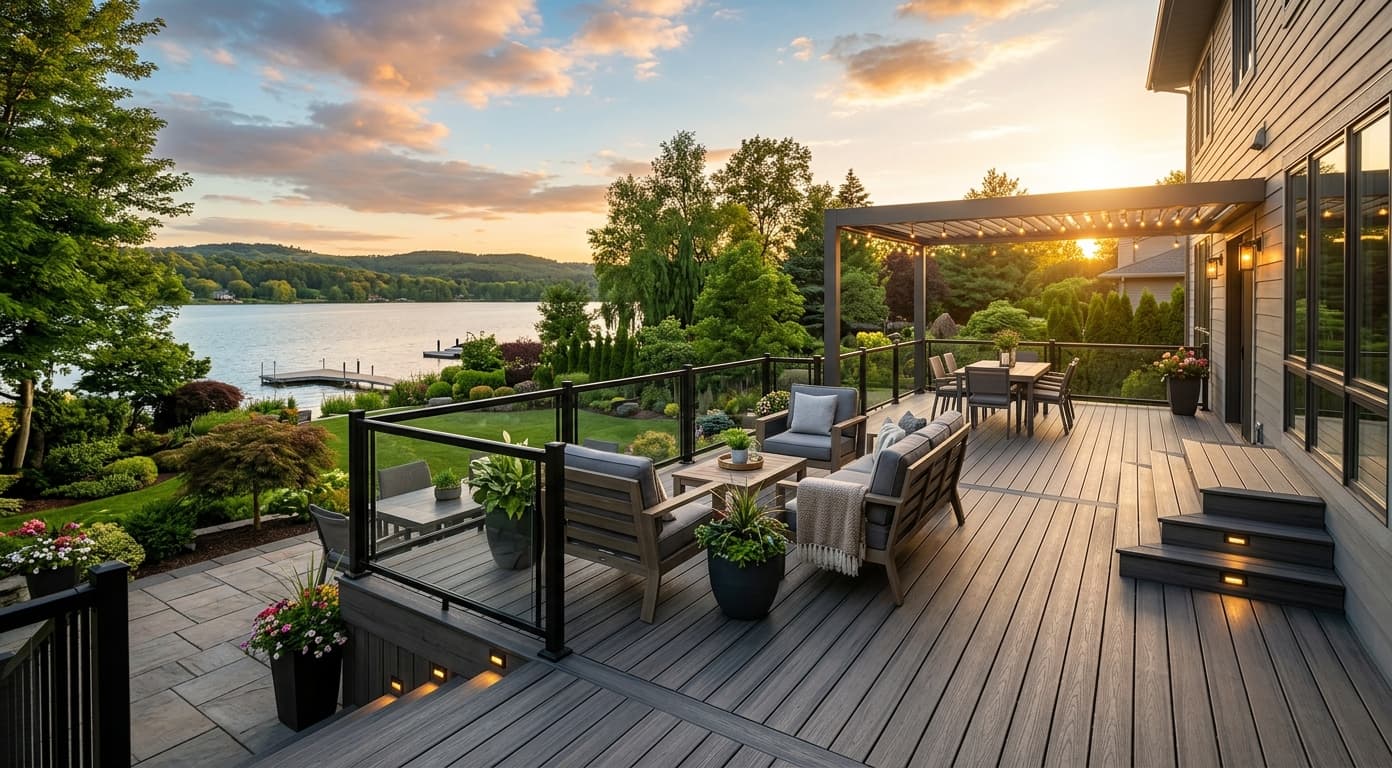
Building a deck sounds exciting until planning mistakes start piling up. Fortunately, Gamma can help organize your ideas before construction begins. From choosing materials to measuring spaces, every decision affects your final result. Therefore, a clear plan can save time, money, and frustration. However, many homeowners start without understanding the project's complete requirements. As a result, they face budget surprises, design changes, and wasted materials. The good news is that better preparation can prevent many common problems. You simply need a practical process that connects every decision..
Why Deck Projects Often Become Complicated
Poor Planning Creates Expensive Mistakes
Many deck problems begin before homeowners pick up their tools. For example, they may underestimate measurements or overlook structural requirements. Additionally, unclear layouts can make material calculations more difficult. Consequently, you might purchase excess lumber or face shortages during construction. Therefore, define your deck's purpose before making design decisions. Decide whether you need dining space, relaxation areas, or entertainment zones.
Choosing the Wrong Materials
Materials influence durability, maintenance, appearance, and overall costs. Wood provides classic appeal, while composite materials can reduce maintenance. However, every material offers different advantages and limitations. Therefore, compare options according to your climate, budget, and lifestyle. Also, consider long-term maintenance instead of focusing only on initial costs. A higher investment can sometimes provide better value over time.
Using Incomplete Measurements
Accurate measurements create the foundation for successful deck projects. Even small errors can affect multiple construction stages. First, measure the available area carefully. Then, record every dimension in one central document for easy reference. Next, account for doors, windows, stairs, railings, and existing structures. These details can significantly influence your final deck layout.
How to Plan Your Deck More Effectively
Start With a Clear Purpose
First, determine exactly how you want to use your deck. This decision will guide its size, layout, furniture, and features. For instance, entertaining guests requires different planning than creating a quiet outdoor retreat. Therefore, define your priorities before creating detailed designs. You should also consider how people will move around the space. Leave enough room for furniture while maintaining comfortable walking paths.
Create a Realistic Budget
A realistic budget should cover more than basic construction materials. Consider fasteners, finishes, lighting, railings, stairs, furniture, and professional services. Furthermore, reserve money for unexpected expenses. Construction projects can reveal issues that remained hidden during initial planning. Break your budget into clear categories to understand where your money goes. This approach also helps identify unnecessary expenses.
Explore the Right Deck Building Tools
The right deck building tools can simplify planning and reduce avoidable mistakes. Digital tools can organize measurements, ideas, materials, and project notes. Instead of storing information across scattered documents, create one organized project overview. This makes important details easier to review and share. You can also use visual references to compare layouts and design directions. Consequently, you can make decisions before purchasing materials.
Make Your Planning Process More Visual
Turn Ideas Into a Practical Plan
A visual plan makes complicated projects easier to understand. It can combine measurements, design inspiration, materials, timelines, and budget information. Gamma can support this process by structuring scattered ideas into a clear presentation. Instead of lengthy notes, create an organized visual overview. This approach becomes especially useful when discussing projects with contractors or family members. Everyone can review the same information and suggest changes earlier.
Compare Designs Before Building
Never settle for the first layout without comparing alternatives. Create several possibilities using different sizes, furniture arrangements, and traffic patterns. Then, evaluate each option against your priorities. Consider privacy, sunlight, accessibility, maintenance, and entertainment needs. This simple comparison can reveal which design offers the strongest overall value. It can also prevent costly changes after construction begins.
The Benefits of Upgrading Your Planning Process
Save Time and Reduce Confusion
A structured planning system keeps important information in one place. Therefore, you spend less time searching through notes or repeating decisions. It also creates a smoother workflow from your first idea to the finished deck. Each stage becomes easier when you document previous decisions clearly.
Communicate Ideas More Clearly
Visual communication makes technical ideas easier for everyone to understand. Contractors can review layouts, while homeowners can suggest changes. Families can also compare options before making important decisions. This shared understanding reduces confusion and keeps everyone aligned.
Make Better Decisions With Confidence
Good planning gives you greater confidence before construction begins. Instead of guessing, you can compare options using practical information. You can also identify potential problems before they become expensive. As a result, your deck project becomes more predictable and manageable.
Don't Let Deck Planning Become a Headache
A successful deck starts with thoughtful planning rather than construction tools alone. Begin with your goals, confirm measurements, compare materials, and create a realistic budget. Next, organize your ideas into a simple visual plan. Use reliable deck building tools to keep measurements, designs, budgets, and timelines together. You can also explore Gamma when you need a polished way to present your project clearly. Its visual approach makes complicated planning information easier to understand. Remember, the best deck does not always need to be the biggest or most expensive. Instead, choose an option that matches your lifestyle, space, budget, and long-term needs. By planning carefully, you can avoid common mistakes and create a deck that delivers lasting value. When you organize ideas early, the entire project becomes easier to manage. Ultimately, Gamma can help turn scattered deck ideas into a clearer, more useful project plan.